Overcoming Challenges on My Biking Tour Journey
- billbarron4
- Apr 19
- 3 min read
Embarking on a long-distance biking tour is an adventure filled with excitement and discovery. Yet, it also brings a series of unexpected challenges that test both physical endurance and mental strength. During my recent biking tour, I faced several difficulties that at first seemed overwhelming. Overcoming these obstacles not only made the journey possible but also deeply rewarding. Here, I share the key challenges I encountered and how I managed to push through them.
Navigating Rough Terrain and Weather Conditions
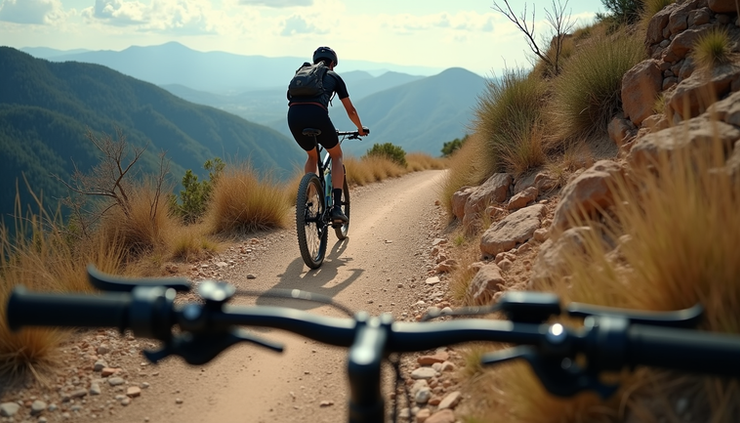
One of the first major challenges was dealing with rough terrain. The route included gravel paths, steep hills, and uneven surfaces that made riding difficult. At times, the bike slipped on loose stones or sank into muddy patches after rain. This required constant attention to balance and careful control of speed.
Weather added another layer of difficulty. Sudden rainstorms soaked the trail, making it slippery and cold. On hot days, the sun drained my energy quickly. To cope, I adjusted my riding schedule to avoid the hottest hours and packed waterproof gear that kept me dry without overheating. Learning to read the weather forecast and prepare accordingly became essential.
Managing Physical Fatigue and Injuries
Long hours of cycling took a toll on my body. Muscle soreness, joint pain, and occasional cramps were common. Early in the tour, I underestimated the physical demands and pushed too hard, which led to exhaustion. I realized the importance of pacing myself and incorporating rest days.
In one instance, I developed a painful saddle sore that made sitting uncomfortable. To address this, I invested in a better padded seat cover and took breaks more frequently. Stretching exercises and proper hydration helped reduce muscle stiffness. Listening to my body and responding to discomfort prevented minor issues from becoming serious injuries.

Handling Mechanical Problems on the Road
Mechanical failures are almost inevitable on a long biking tour. I faced flat tires, chain slips, and brake adjustments far from any repair shop. Initially, these problems caused frustration and delays. However, I learned basic bike maintenance skills before the trip, which proved invaluable.
Carrying a compact repair kit with spare tubes, tire levers, a multi-tool, and lubricant allowed me to fix most issues on the spot. For example, when a tire punctured on a remote trail, I patched it quickly and continued without losing much time. Knowing how to troubleshoot and repair the bike independently gave me confidence and kept the journey moving.
Overcoming Mental Challenges and Staying Motivated
Physical challenges were tough, but mental hurdles were equally demanding. There were moments of loneliness, self-doubt, and frustration, especially during long stretches without seeing other people. The uncertainty of the route and the fear of unexpected problems sometimes weighed heavily.
To stay motivated, I set small daily goals instead of focusing on the entire distance. Celebrating these small wins, like reaching a scenic viewpoint or completing a difficult climb, kept my spirits high. I also kept a journal to reflect on progress and remind myself why I started the tour. Connecting with fellow cyclists online and sharing experiences helped me feel part of a community.
Planning and Logistics Challenges
Planning a multi-day biking tour involves more than just packing a bag. I had to carefully plan routes, accommodations, and food supplies. Unexpected detours due to road closures or weather forced me to adapt quickly. Finding places to rest and eat in remote areas was sometimes difficult.
I used a combination of maps, GPS apps, and local advice to navigate. Carrying lightweight camping gear gave me flexibility when accommodations were unavailable. Preparing simple, high-energy meals and snacks ensured I had enough fuel for the day. Being adaptable and resourceful turned planning challenges into manageable tasks.
Lessons Learned and Tips for Future Bikers
This biking tour taught me valuable lessons that I want to share with anyone considering a similar adventure:
Prepare physically and mentally before the trip with training and realistic expectations.
Invest in quality gear that suits your route and conditions.
Learn basic bike repair skills to handle common mechanical problems.
Listen to your body and rest when needed to avoid injuries.
Plan routes and accommodations but stay flexible for unexpected changes.
Stay motivated by setting small goals and connecting with others.
Pack smart with essentials for weather, nutrition, and safety.

Comments